
When a special needs parent dies, their child's plan doesn't.
The unplanned-for inheritance that should secure your child's future is the very thing that can destroy it.
A check arrives. Benefits disappear. The legacy you spent a lifetime building dissolves in a single calendar month — unless the architecture was already in place.
"Most families I meet didn't make a careless decision. They made a loving one — and no one ever told them the way they did it would cost their child everything. The inheritance isn't the problem. The architecture is."
– Michele P. Fuller
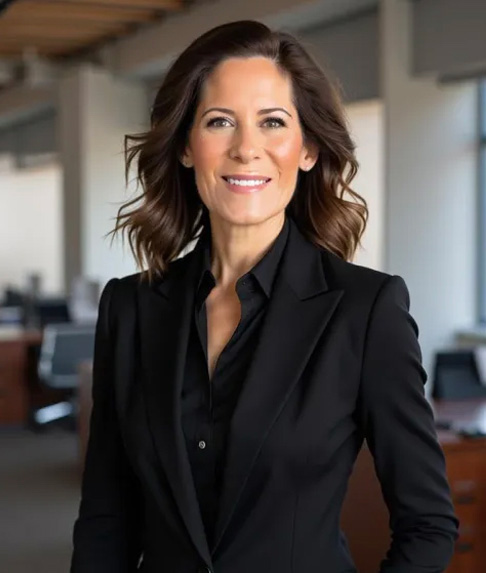
- 28 years practicing exclusively in special needs law
- Co-author of Special Needs Trusts: Protect Your Child's Financial Future (Nolo Press, 6th & 7th editions) — the consumer book on this exact topic
- Published in Michigan Bar Journal, AAJ Trial Magazine, ABA BiFocal, NAELA Journal, NYT, WSJ
- Founder, Advocacy Inc. (2005) — the nonprofit trustee that administers the trusts she creates
- Co-hosts the National SNT Symposium — 500+ attorneys trained annually
- Super Lawyers 2018–2025 · State Bar of Michigan Unsung Hero Award
The Inheritance That Disinherits.
Four facts most families with a special needs child have never been told in one place — and the day they're told, they can never un-hear them.
 The $2,000 line.
To keep SSI and Medicaid, your child can hold no more than $2,000 in countable assets at any moment. Not $20,000. Not $200,000. Two thousand. A modest inheritance from a grandparent — $5,000, $25,000, $50,000 — crosses that line on day one.
The $2,000 line.
To keep SSI and Medicaid, your child can hold no more than $2,000 in countable assets at any moment. Not $20,000. Not $200,000. Two thousand. A modest inheritance from a grandparent — $5,000, $25,000, $50,000 — crosses that line on day one.
The well-meaning workarounds don't work.
"Leave it to a sibling who will use it for them." There is zero legal obligation for that sibling to spend a dollar on your child. They can divorce. Go bankrupt. Move away. Pass away. The money can disappear. The "plan" is a handshake the government doesn't recognize.
The reporting clock.
Once the inheritance is received, you have a legal duty to report it – by the 10th day of the month after the month it arrives. Money received in May must be reported by June 10th. There is no quiet way to wait it out. The benefits suspension is automatic. Reinstatement is not.
The "small inheritance" myth.
Families assume a $10,000 gift is too small to matter. It's five times the line. Even a $3,000 check is enough to trigger reporting, suspension, and the spend-down clock. There is no partial credit in benefits law. One mistake and they lose everything until it's fixed.
The broken system, in one sentence.An inheritance counts as income the month it lands, then as a countable resource the next month — and a child with more than $2,000 in countable resources is not a child the government considers eligible for SSI or Medicaid. The system doesn't read intent.
It reads accounts.
The Inheritance Nobody Planned For.
The version most families never see coming — because the danger isn't in your will.
It's in someone else's beneficiary form.

You did the work. You met with an attorney. You set up a third-party Special Needs Trust to hold your child's inheritance the right way. Your will points the assets to the trust. You exhaled. You moved on.
Meanwhile — quietly, with the very best intentions — Grandma added your child as a 25% contingent beneficiary on her life insurance policy. Grandpa named the same child on his 401(k). An aunt set up a Payable-on-Death bank account "just in case." None of those forms know your trust exists. None of those institutions will route the money there when the day comes. The trust is correct. The grandparents' paperwork is the time bomb.
Life insurance beneficiary forms Filled out years ago. Never updated. Named directly to a special needs grandchild. The check is mailed straight to them — and counts on day one.
401(k) and IRA designations Outlive the will. Override the will. When a grandparent's retirement account is split among grandchildren, the special needs child's share lands in their name.
Payable-on-Death bank accounts A loving shortcut to "leave them something." Funds go directly to the named child. No probate. No filter. No SNT.
Joint accounts with right of survivorship An aunt's well-meaning "in case anything happens to me" arrangement. The day she passes, the balance is your child's — and so is the disqualification.
This is where the Fuller Life Plan does what an estate plan can't.A will sets your intent. The Fuller Life Plan looks beyond your own documents to the places an inheritance can slip through – a grandparent's beneficiary designation, a life insurance policy, a retirement account, a bank account – and shows you exactly what has to change, and how, so that no well-meaning form anywhere in your family can detonate the protections you've already put in place. Most attorneys draft the trust and stop. We draft the trust, build the plan around it, and run it. Under one roof.

The Fuller Life™ Plan
This is what it actually takes to protect your child's inheritance — and their benefits — for life.
A trust document, drafted in isolation, is a guess with legal formatting. The Fuller Life Plan is built, tested, and maintained for as long as your child needs it.
Phase One
We Learn Your Family's Architecture.
Everything we build starts here.
Before a single document is drafted, we build a complete picture of your child's life — and of every place an inheritance might land. Medical needs. Financial situation. The family's existing estate plan. The grandparents' wills. The life insurance policies. The 401(k) beneficiary forms. The PODs. The plan that exists today versus the plan everyone thinks exists.
✓ A complete picture of your child's life — medical, financial, daily, long-term
✓ A map of where an inheritance could land – the wills, beneficiary forms, and accounts in the family that could route money to your child, and what needs to change
✓ Every benefit your child depends on — and every rule that could cost it
✓ The gaps in your current plan, identified before they become a crisis
Phase Two
We Build the Legal Architecture.
The Fuller Life™ is in place.
Michele and her team draft your child's third-party Special Needs Trust — the structure that holds inheritances without disqualifying benefits. We show you exactly how a grandparent's gift should be directed so it lands in the trust, not in your child's name. We name Advocacy Inc., Michele's nonprofit trustee organization, as the corporate trustee. Same firm, same standard, same people. The plan is written. The institution is in place. The next 40 to 60 years have a name on the line.
✓ A third-party SNT built for your child — no Medicaid payback at the end
✓ Clear instructions on the beneficiary updates your family needs to make – so every gift routes to the trust
✓ Advocacy Inc. named as trustee — managing the trust from day one
✓ Your child's care instructions documented alongside the legal architecture
Phase Three
We Make Sure It Works — Then Keep It Working
The plan runs for your child's lifetime — not just yours.
Before you're gone, we walk through the plan with you — testing every scenario, confirming every contact, fixing every gap before it's needed. After that, Advocacy Inc. actively maintains the plan for as long as your child needs it. Benefits monitored. Changes flagged. Annual deep review. This is a lifetime relationship — not a transaction. When grandparents pass away, when laws change, when your child's needs evolve — the plan keeps pace.
✓ Every scenario tested while you're still alive — before any of it happens
✓ Your child's benefits monitored for life — by the organization that built the plan
✓ An annual deep review so the plan grows as your child's life changes
✓ A professional care team that always knows the right thing to do
One certainty you've never had before: When you're gone, the plan keeps going.
The difference isn't just having a trust. It's having a trust built from a complete picture of your family — and a team that runs it for life.
Most attorneys who handle special needs planning also handle everything else.
They draft the trust and close the file. Fuller Special Needs Law does one thing — and has built the entire infrastructure to do it for your child's lifetime.
The trust drafting. The complete plan. The professional administration. The lifetime oversight.
Under one roof.
That's not a service distinction. That's a category distinction.

The transformational destination isn't just a protected benefit.
It's a family that breathes again.
A Fuller Life™
When the inheritance lands inside the architecture — instead of around it — the family that has spent years bracing for what comes next finally gets to imagine something else.
- Your child's benefits are safe for life — because their plan is built around who they actually are.
- You can name your child as an heir without fear — knowing every dollar lands where it should.
- Grandparents can be generous on purpose — and know their love arrives the way they meant it.
- Siblings are freed from being fiduciaries — they get to be brothers and sisters again.
- The plan accounts for every scenario: death, incapacity, divorce, economic change, law change.
- Advocacy Inc. administers the trust — the same organization that built it runs it.
- You stop bracing for the day everything falls apart. Because it doesn't.
When a special needs parent dies, their child's plan doesn't.
The unplanned-for inheritance that should secure your child's future is the very thing that can destroy it.
A check arrives. Benefits disappear. The legacy you spent a lifetime building dissolves in a single calendar month — unless the architecture was already in place.
Loving your child enough to leave them an inheritance shouldn't be the thing that takes their benefits away. Wanting to help shouldn't carry the risk of doing harm. There is a better system. We can fix it.
"Most families I meet didn't make a careless decision. They made a loving one — and no one ever told them the way they did it would cost their child everything. The inheritance isn't the problem. The architecture is."
– Michele P. Fuller
- 28 years practicing exclusively in special needs law
- Co-author of Special Needs Trusts: Protect Your Child's Financial Future (Nolo Press, 6th & 7th editions) — the consumer book on this exact topic
- Published in Michigan Bar Journal, AAJ Trial Magazine, ABA BiFocal, NAELA Journal, NYT, WSJ
- Founder, Advocacy Inc. (2005) — the nonprofit trustee that administers the trusts she creates
- Co-hosts the National SNT Symposium — 500+ attorneys trained annually
- Super Lawyers 2018–2025 · State Bar of Michigan Unsung Hero Award
The Inheritance That Disinherits.
Four facts most families with a special needs child have never been told in one place — and the day they're told, they can never un-hear them.
The $2,000 line.
To keep SSI and Medicaid, your child can hold no more than $2,000 in countable assets at any moment. Not $20,000. Not $200,000. Two thousand. A modest inheritance from a grandparent — $5,000, $25,000, $50,000 — crosses that line on day one.
The well-meaning workarounds don't work.
"Leave it to a sibling who will use it for them." There is zero legal obligation for that sibling to spend a dollar on your child. They can divorce. Go bankrupt. Move away. Pass away. The money can disappear. The "plan" is a handshake the government doesn't recognize.
The reporting clock.
Once the inheritance is received, you have a legal duty to report it – by the 10th day of the month after the month it arrives. Money received in May must be reported by June 10th. There is no quiet way to wait it out. The benefits suspension is automatic. Reinstatement is not.
The "small inheritance" myth.
Families assume a $10,000 gift is too small to matter. It's five times the line. Even a $3,000 check is enough to trigger reporting, suspension, and the spend-down clock. There is no partial credit in benefits law. One mistake and they lose everything until it's fixed.
The Inheritance Nobody Planned For.
The version most families never see coming — because the danger isn't in your will.
It's in someone else's beneficiary form.
You did the work. You met with an attorney. You set up a third-party Special Needs Trust to hold your child's inheritance the right way. Your will points the assets to the trust. You exhaled. You moved on.
Meanwhile — quietly, with the very best intentions — Grandma added your child as a 25% contingent beneficiary on her life insurance policy. Grandpa named the same child on his 401(k). An aunt set up a Payable-on-Death bank account "just in case." None of those forms know your trust exists. None of those institutions will route the money there when the day comes. The trust is correct. The grandparents' paperwork is the time bomb.
Life insurance beneficiary forms Filled out years ago. Never updated. Named directly to a special needs grandchild. The check is mailed straight to them — and counts on day one.
401(k) and IRA designations Outlive the will. Override the will. When a grandparent's retirement account is split among grandchildren, the special needs child's share lands in their name.
Payable-on-Death bank accounts A loving shortcut to "leave them something." Funds go directly to the named child. No probate. No filter. No SNT.
Joint accounts with right of survivorship An aunt's well-meaning "in case anything happens to me" arrangement. The day she passes, the balance is your child's — and so is the disqualification.
This is where the Fuller Life Plan does what an estate plan can't.A will sets your intent. The Fuller Life Plan looks beyond your own documents to the places an inheritance can slip through – a grandparent's beneficiary designation, a life insurance policy, a retirement account, a bank account – and shows you exactly what has to change, and how, so that no well-meaning form anywhere in your family can detonate the protections you've already put in place. Most attorneys draft the trust and stop. We draft the trust, build the plan around it, and run it. Under one roof.
Get Your Score in 3 Minutes
The Fuller Life™ Plan
This is what it actually takes to protect your child's inheritance — and their benefits — for life.
A trust document, drafted in isolation, is a guess with legal formatting. The Fuller Life Plan is built, tested, and maintained for as long as your child needs it.
Phase One
We Learn Your Family's Architecture.
Everything we build starts here.
Before a single document is drafted, we build a complete picture of your child's life — and of every place an inheritance might land. Medical needs. Financial situation. The family's existing estate plan. The grandparents' wills. The life insurance policies. The 401(k) beneficiary forms. The PODs. The plan that exists today versus the plan everyone thinks exists.
✓ A complete picture of your child's life — medical, financial, daily, long-term
✓ A map of where an inheritance could land – the wills, beneficiary forms, and accounts in the family that could route money to your child, and what needs to change.
✓ Every benefit your child depends on — and every rule that could cost it
✓ The gaps in your current plan, identified before they become a crisis
Phase Two
We Build the Legal Architecture.
The Fuller Life™ is in place.
Michele and her team draft your child's third-party Special Needs Trust — the structure that holds inheritances without disqualifying benefits. We show you exactly how a grandparent's gift should be directed so it lands in the trust, not in your child's name. We name Advocacy Inc., Michele's nonprofit trustee organization, as the corporate trustee. Same firm, same standard, same people. The plan is written. The institution is in place. The next 40 to 60 years have a name on the line.
✓ A third-party SNT built for your child — no Medicaid payback at the end
✓ Clear instructions on the beneficiary updates your family needs to make – so every gift routes to the trust
✓ Advocacy Inc. named as trustee — managing the trust from day one
✓ Your child's care instructions documented alongside the legal architecture
Phase Three
We Make Sure It Works — Then Keep It Working
The plan runs for your child's lifetime — not just yours.
Before you're gone, we walk through the plan with you — testing every scenario, confirming every contact, fixing every gap before it's needed. After that, Advocacy Inc. actively maintains the plan for as long as your child needs it. Benefits monitored. Changes flagged. Annual deep review. This is a lifetime relationship — not a transaction. When grandparents pass away, when laws change, when your child's needs evolve — the plan keeps pace.
✓ Every scenario tested while you're still alive — before any of it happens
✓ Your child's benefits monitored for life — by the organization that built the plan
✓ An annual deep review so the plan grows as your child's life changes
✓ A professional care team that always knows the right thing to do
One certainty you've never had before: When you're gone, the plan keeps going.
What's at stake if you do not have A Fuller Life™ Plan?
- An inheritance — large or small — lands directly in your child's name and suspends SSI and Medicaid within a single calendar month.
- A grandparent's beneficiary form, made out of love, routes around your trust and detonates the protections you built.
- The sibling asked to "do the right thing" with your child's inheritance has zero legal obligation to spend a dollar on them — and can divorce, go bankrupt, or pass away before they ever do.
- A general practice attorney drafts an SNT that looks correct — and fails at administration, years after you're gone to fix it.
- Your child's plan is a stack of documents nobody is actively running — and a court decides who manages your child's life when you cannot.
The difference isn't just having a trust. It's having a trust built from a complete picture of your family — and a team that runs it for life.
Most attorneys who handle special needs planning also handle everything else.
They draft the trust and close the file. Fuller Special Needs Law does one thing — and has built the entire infrastructure to do it for your child's lifetime.
The trust drafting. The complete plan. The professional administration. The lifetime oversight.
Under one roof.
That's not a service distinction. That's a category distinction.
The transformational destination isn't just a protected benefit.
It's a family that breathes again.
A Fuller Life™
When the inheritance lands inside the architecture — instead of around it — the family that has spent years bracing for what comes next finally gets to imagine something else.
- Your child's benefits are safe for life — because their plan is built around who they actually are.
- You can name your child as an heir without fear — knowing every dollar lands where it should.
- Grandparents can be generous on purpose — and know their love arrives the way they meant it.
- Siblings are freed from being fiduciaries — they get to be brothers and sisters again.
- The plan accounts for every scenario: death, incapacity, divorce, economic change, law change.
- Advocacy Inc. administers the trust — the same organization that built it runs it.
- You stop bracing for the day everything falls apart. Because it doesn't.